The time is perfect
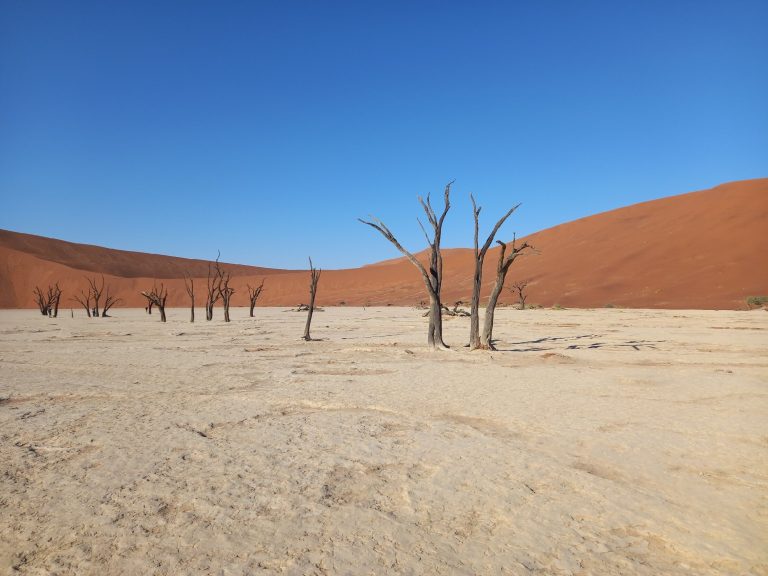
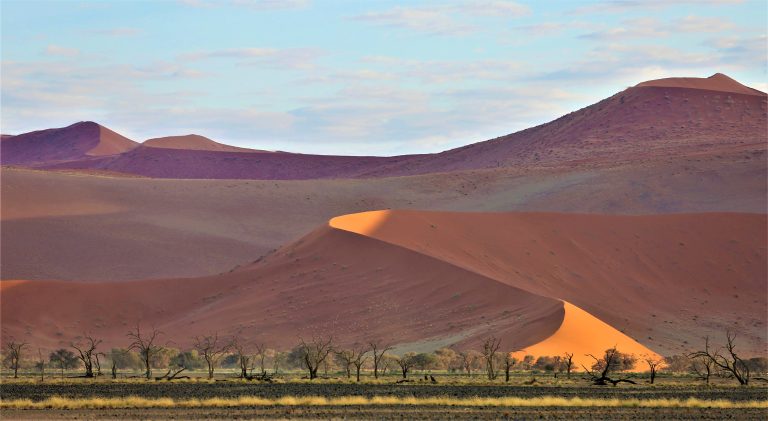
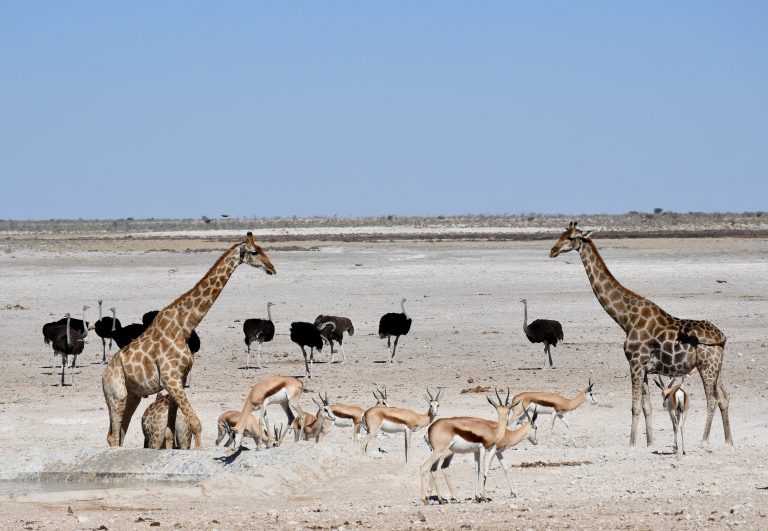
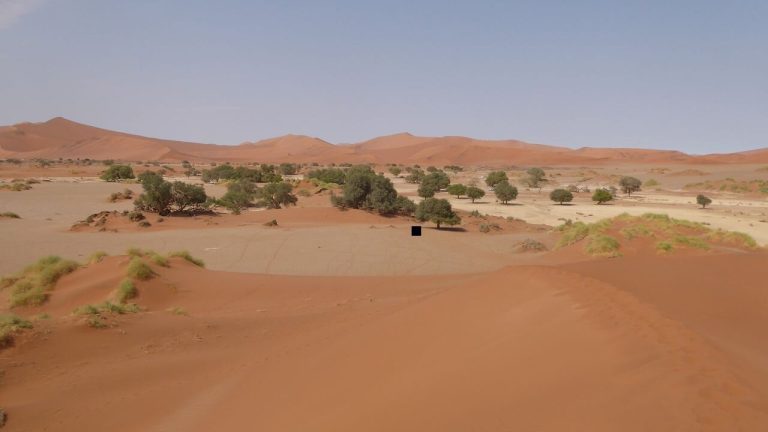
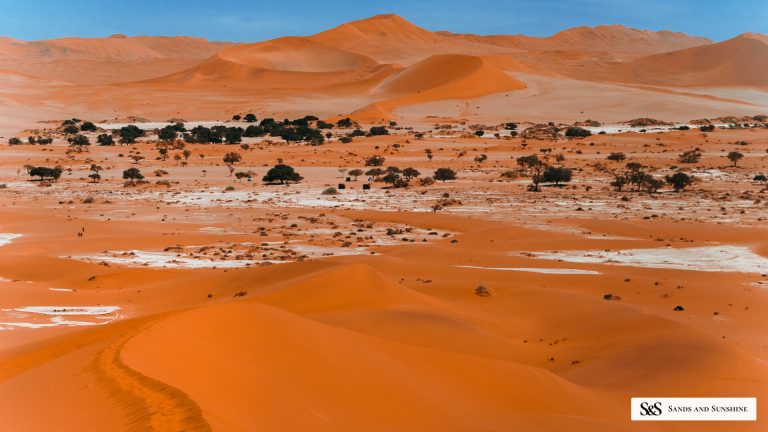
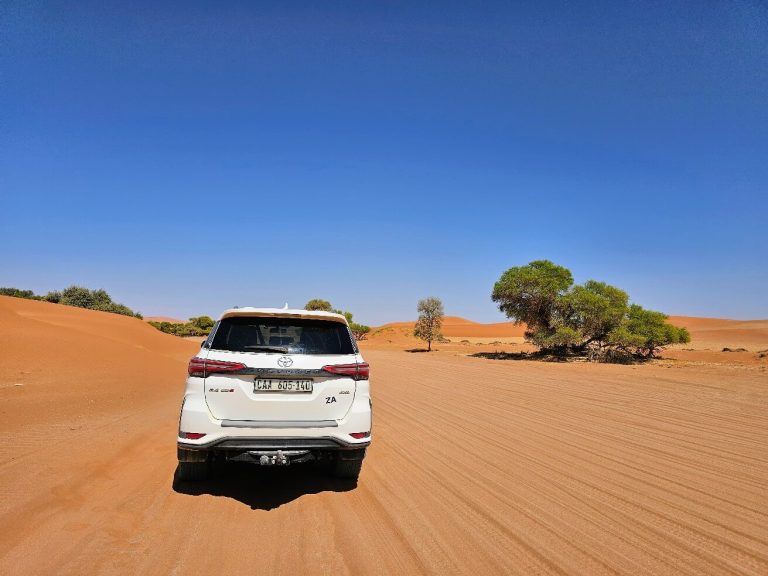
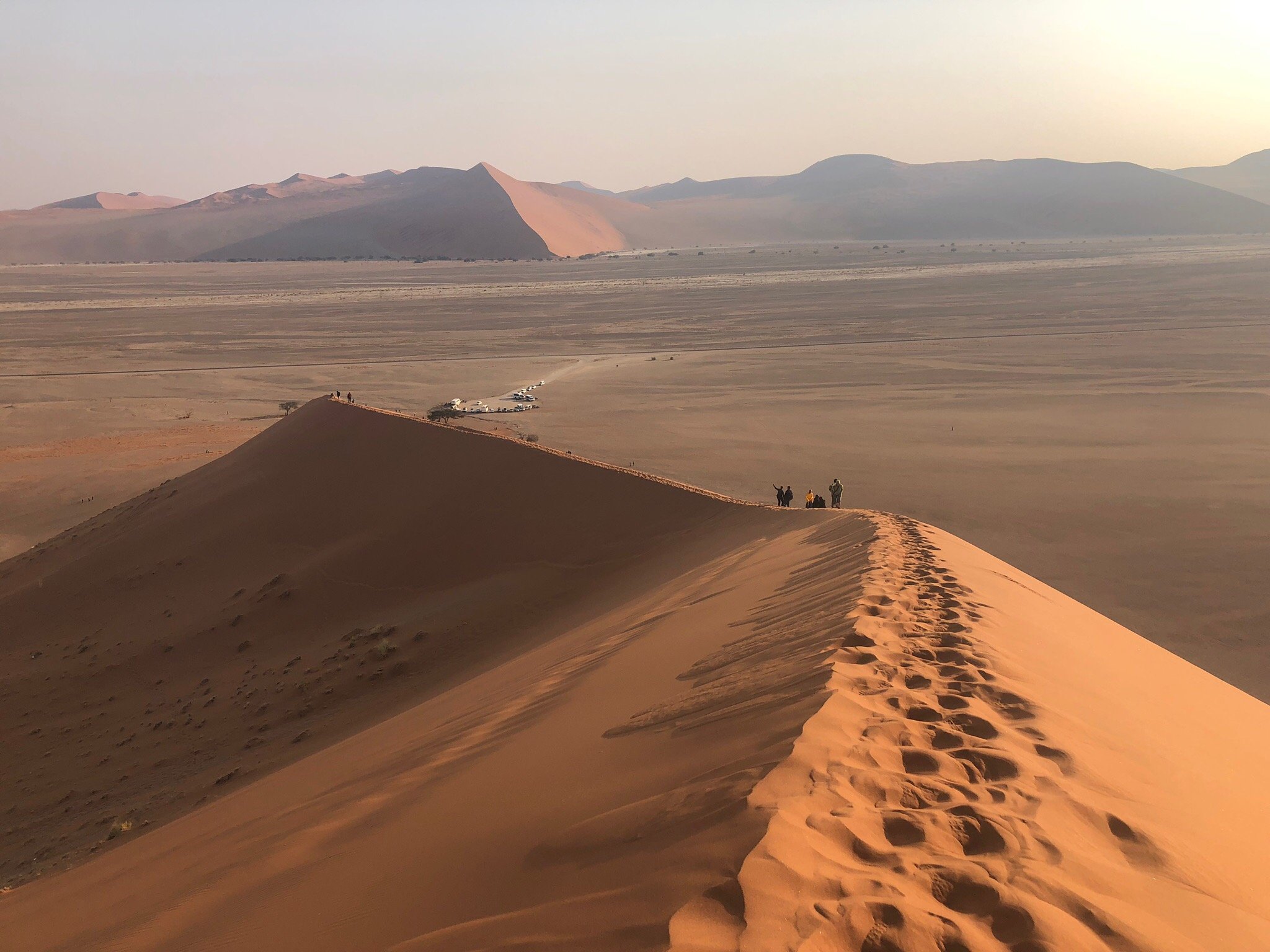
The dry season has settled over Namibia and the game viewing is at its peak. Across Etosha’s 22,000 square kilometres the elephant, oryx and black rhino come to the shrinking waterholes, so the sightings arrive at you rather than the other way around. Further south the dunes of Sossusvlei rise more than 300 metres above the Tsauchab, at their most photogenic in the first hour after sunrise, and the NamibRand reserve beyond them was the first International Dark Sky Reserve in Africa. Namibia was also the first country in the world to write environmental protection into its constitution – today roughly a fifth of the land sits under communal conservancies run by the people who live on it. Come and see what that has made possible.
Experience Namibia
When to visit
The dry season from May to October is the strongest window, and July through September is the strongest part of it:
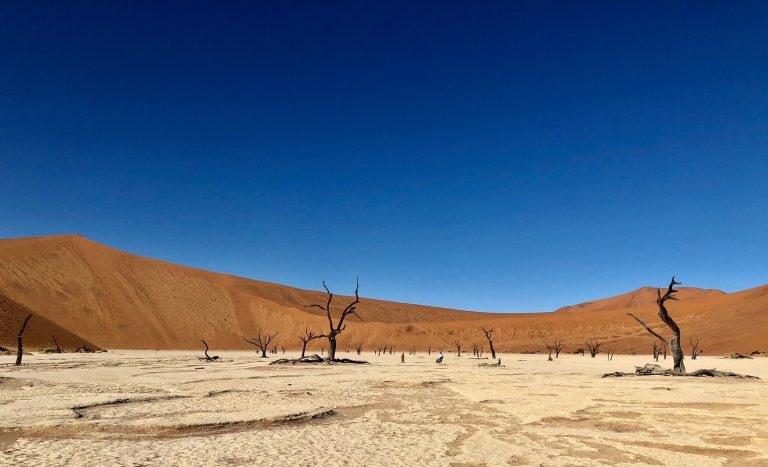
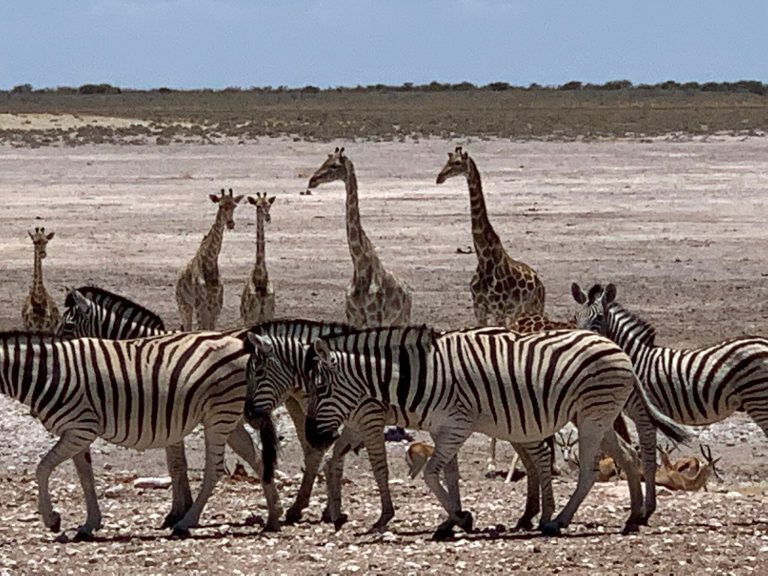
By mid-winter the seasonal pans have gone and the animals have no choice but to walk to permanent water, which is why the Etosha waterholes work so well between July and September. Days are warm and dry, the gravel roads are in their best condition of the year, and the nights are cold enough that visitors from Europe and North America routinely arrive underdressed. The trade-off is company: the Sesriem gate, Deadvlei and the floodlit camp waterholes are all at their busiest. The green season from November to April reverses every one of those terms – heat, storm cloud, dispersed game, the best birding of the year and noticeably lower rates. Both windows are covered in full below.
Best time to visit – full guide The green seasonReady-made routes from three to fourteen days, built around the months when the game concentrates at the waterholes.